I specialize in autonomic nervous system regulation and chronic stress physiology using non-invasive, body-based interventions.
Chronic stress is not only psychological — it is physiological. It affects breathing patterns, muscular tone, recovery capacity, sleep, and energy. When the nervous system is dysregulated, progress can stall, even with the best intentions and treatment plans.
Improving recovery capacity, treatment responsiveness, and long-term resilience begins with addressing underlying autonomic patterns.
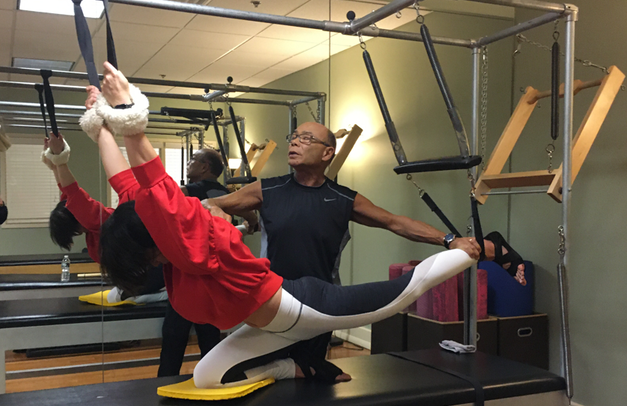
With over 20 years of experience as a rehabilitation-focused Pilates educator, my clinical lens is grounded in biomechanics, breathing mechanics, and stress-related muscular compensation patterns. Chronic stress presents structurally in the body — and restoring regulation can shift the trajectory of healing.
This work supports individuals experiencing:
• chronic muscular tension and pain
• stress-related dysregulation
• sleep and energy disruption
• burnout and nervous system fatigue
• persistent physiological stress patterns
There is a particular focus on individuals who struggle with consistency in exercise or rehabilitation programs. Non-compliance is rarely about motivation; it is often a reflection of nervous system overload and reduced regulatory capacity.
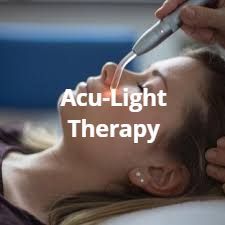
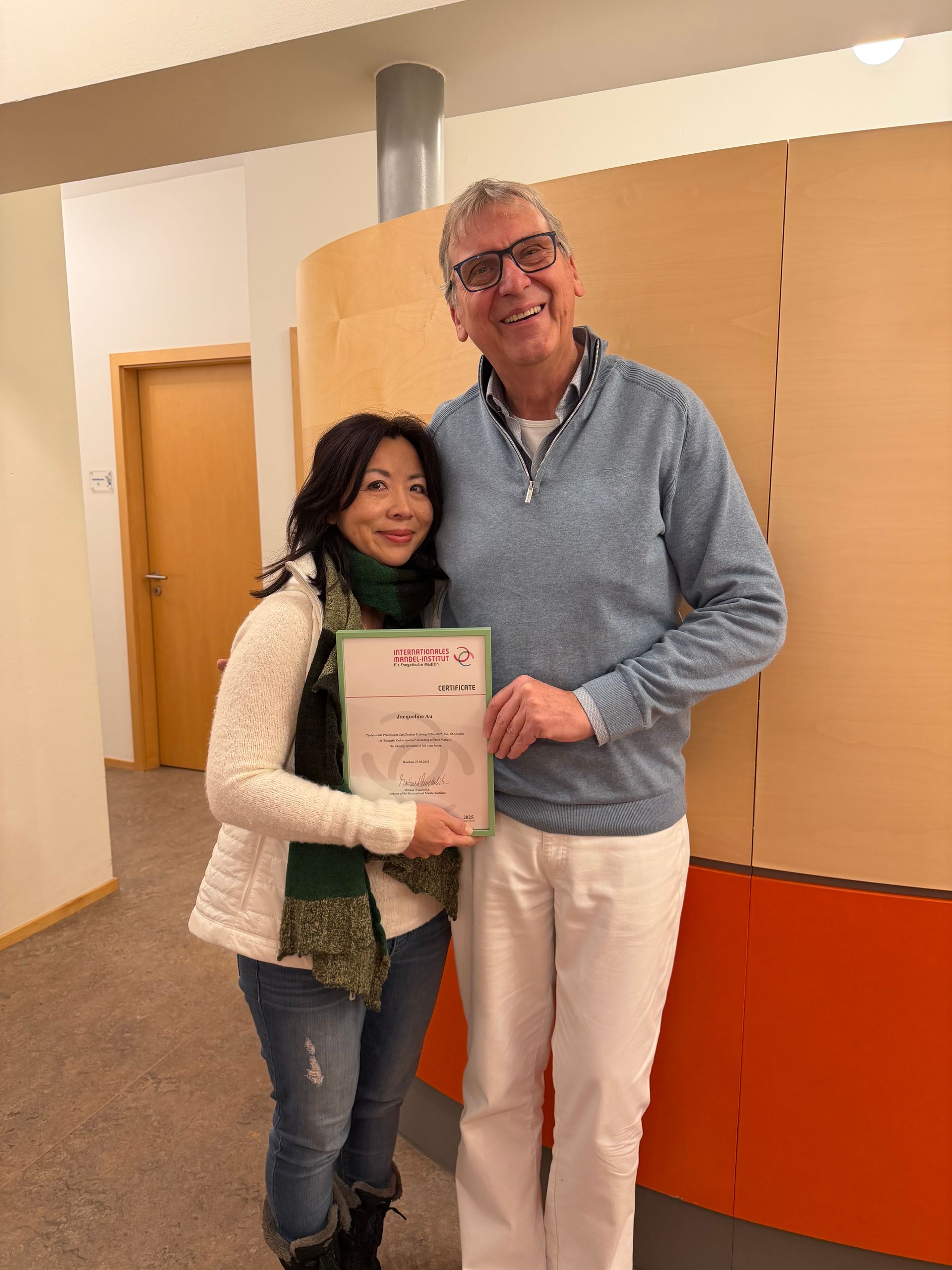
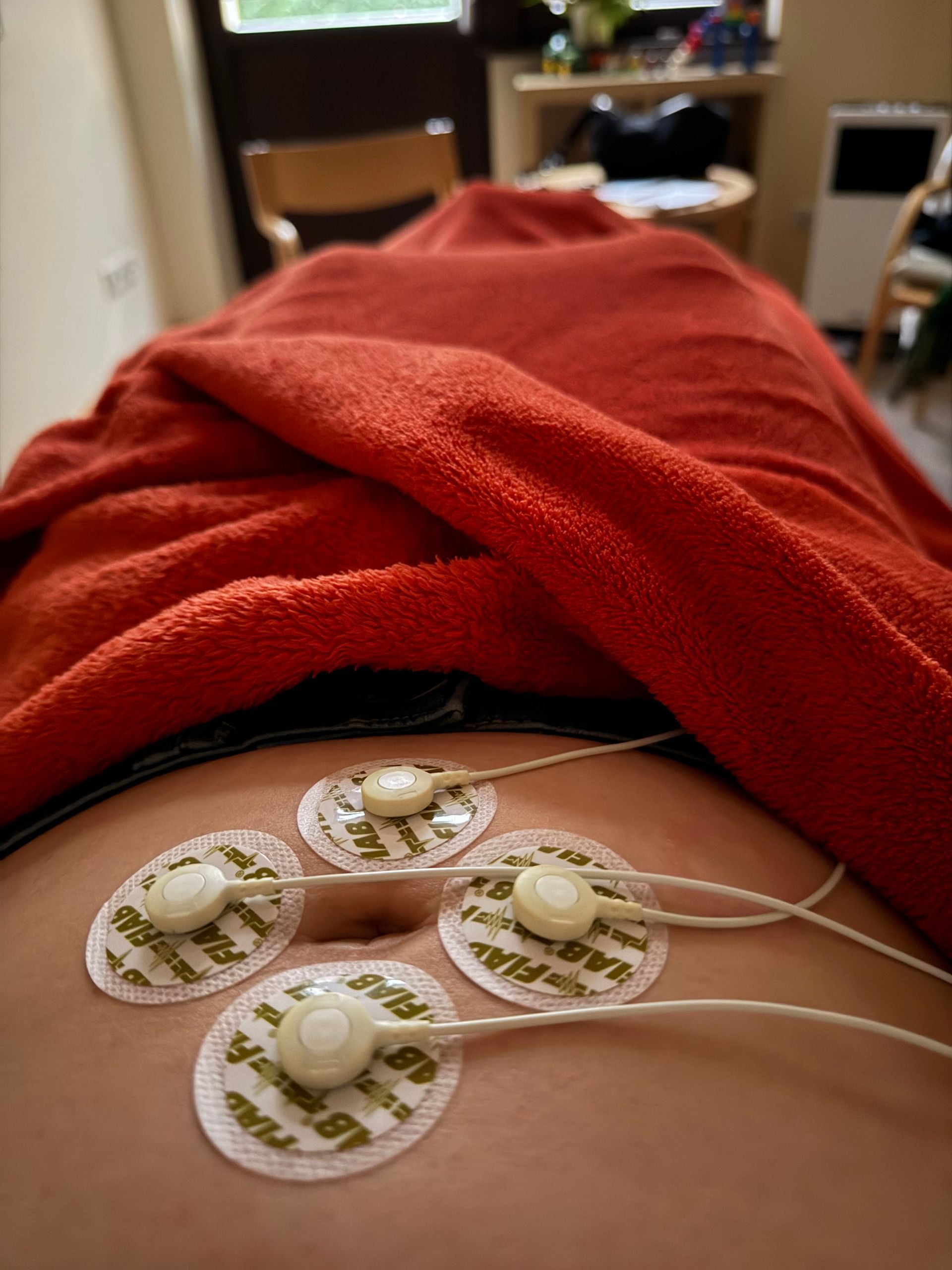
Structured modalities, including Colorpuncture (Esogetic Medicine), sound-based vibrational therapy, and systems-based pattern identification, are integrated to support autonomic balance and physiological resilience.
My education includes a BA from the University of Pennsylvania and advanced degrees (DNM, PhD) in Natural Medicine from the International Quantum University of Integrative Medicine. Originally from Hong Kong, I practice in Philadelphia.
Collaboration with physicians, rehabilitation providers, and fitness professionals is welcomed when a regulation-first, adjunctive approach is indicated.
This work is educational and supportive in nature and does not diagnose or treat medical or psychiatric conditions.
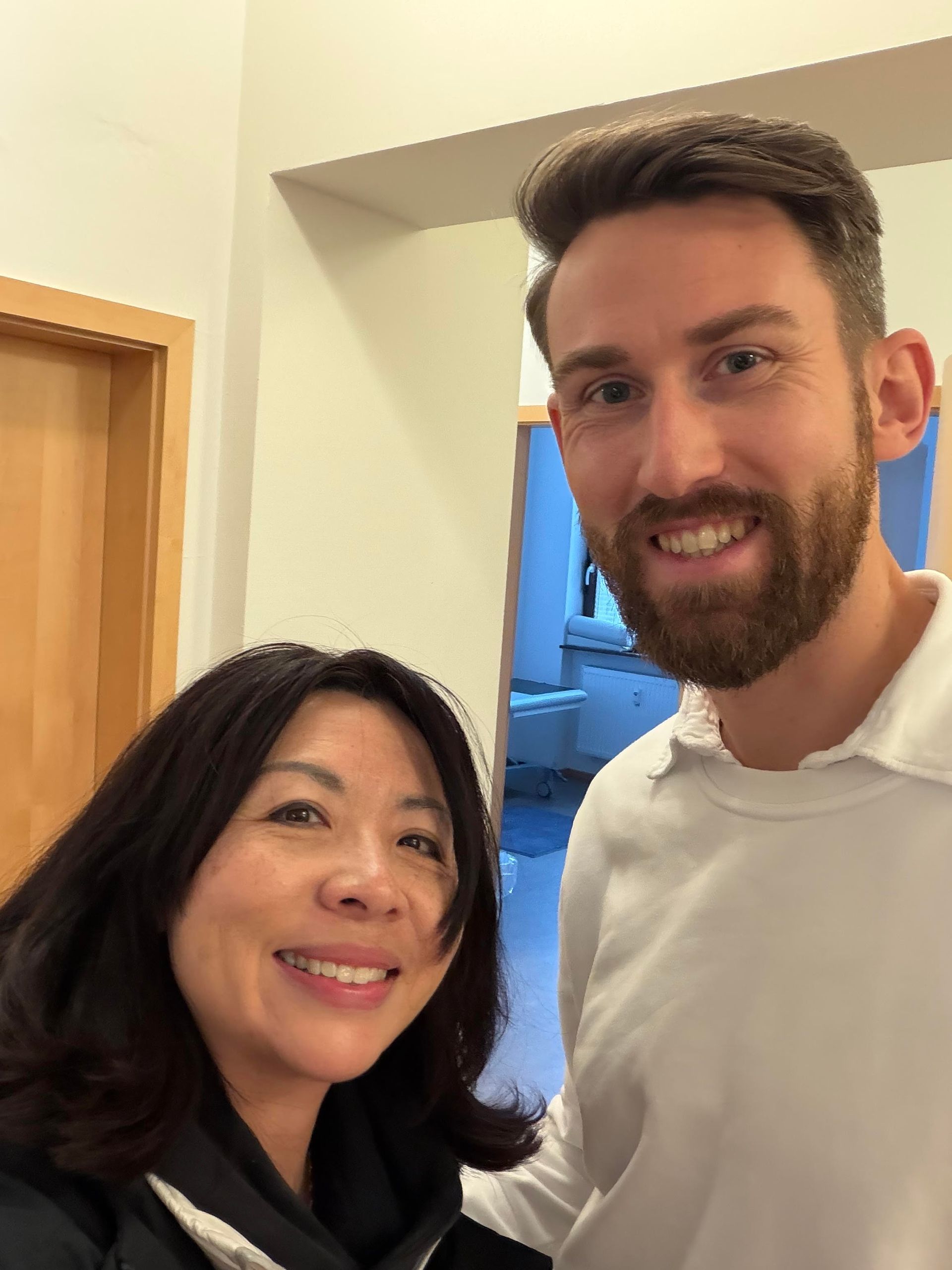
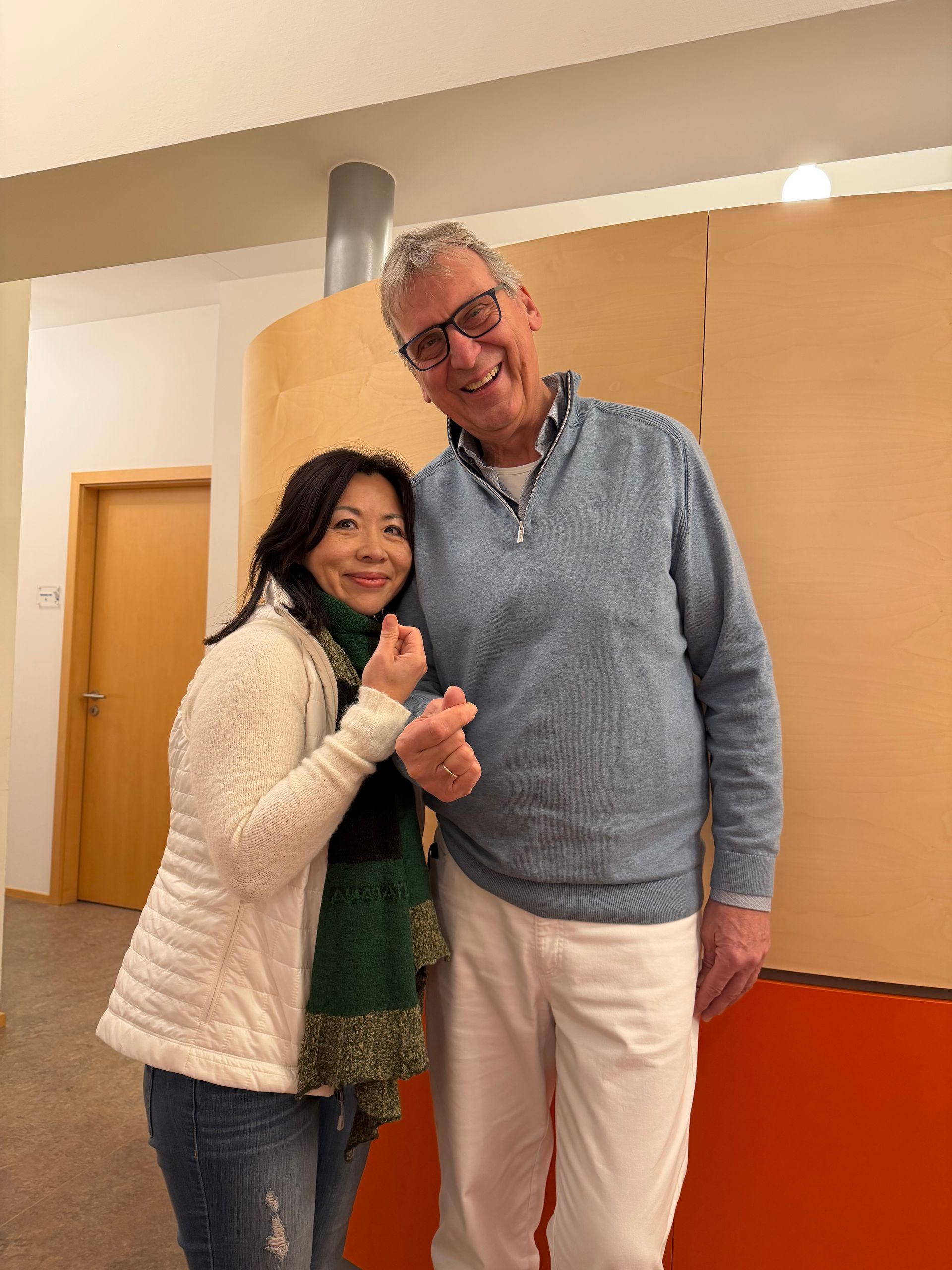
Above: At 3 day teaching clinic in Bruchsal, Germany with Director of the Mandel Institute Mr. Markus Wunderlich, and therapist Mr. Julian Mandel.